Understanding Traditional Pakistani Clothing
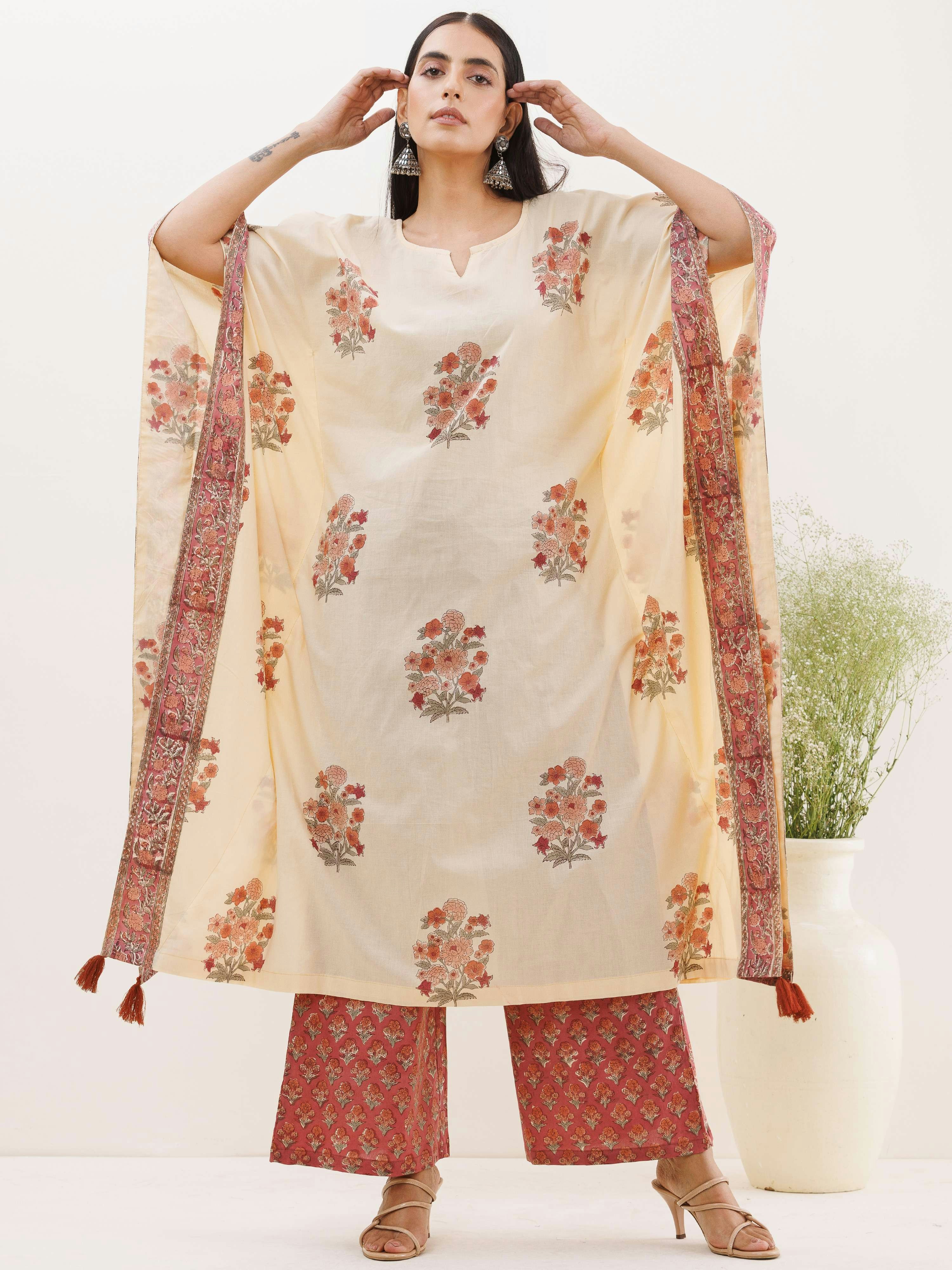
Traditional Pakistani clothing is a vibrant reflection of the country’s rich cultural heritage, characterized by a diverse range of styles, fabrics, and designs. Among the most iconic garments is the shalwar kameez, a versatile outfit that consists of a long tunic (kameez) paired with loose-fitting trousers (shalwar). This attire varies across regions, showcasing unique patterns and embroidery that often carry cultural significance. The shalwar kameez can be elegantly tailored for formal office events, making it a practical choice for professionals who wish to maintain their cultural identity while adhering to workplace dress codes.
Another prominent garment is the lehenga, which is traditionally worn by women during festive occasions. However, its shorter variants and creative adaptations can provide a suitable option for semi-formal office environments. The lehenga’s flowing silhouette, combined with intricate designs and rich fabrics, offers a stunning yet composed look suitable for various formal settings.
The kurta, popular among men, is a long shirt that can be paired with dress pants for a polished appearance. Available in a plethora of styles and fabrics, the kurta can range from simple, minimalist designs to extravagantly embroidered pieces. The choice of fabric, whether cotton for a casual look or silk for more formal occasions, can significantly impact the overall aesthetic, enhancing suitability for the office atmosphere.
In addition to these staple garments, various fabrics such as cotton, lawn, silk, and chiffon are commonly used in traditional Pakistani clothing. Each fabric not only contributes to the garment’s comfort and durability but also plays a role in reflecting the seasonal trends and cultural preferences. As more individuals embrace traditional attire in professional settings, understanding these elements can guide the selection of appropriate clothing that merges cultural heritage with modern workplace expectations.
Choosing the Right Fabric and Colors
When it comes to styling traditional Pakistani clothing for formal office events, the choice of fabric and color plays a critical role in achieving a polished and professional appearance. Various fabrics not only impart comfort but also reflect the cultural ethos of Pakistani attire.
Linen is an excellent choice for office wear, particularly in the warmer months. Known for its breathability and moisture-wicking properties, linen can keep you cool while offering a sophisticated look. It is particularly effective in lighter shades such as beige or pastels, which convey a formal tone characteristic of an office environment.
Cotton is another widely appreciated fabric that balances comfort and professionalism. Soft yet sturdy, cotton is perfect for draping and detailing that showcases traditional designs. Classic colors such as navy, charcoal gray, or subtle earth tones are particularly suitable for a formal setting as they exude authority and refinement.
Additionally, silk can lend an elegant touch to traditional attire, making it a fitting choice for important meetings or events. While silk in bold colors can create a stunning visual impact, opting for muted tones like deep jewel shades or chic metallics can enhance the sophistication of the outfit.
The choice of color is equally important. While bright colors may be synonymous with traditional Pakistani clothing, for office settings, it is advisable to opt for more subdued tones that convey professionalism. Darker hues are generally deemed more formal, yet incorporating traditional patterns or subtle embellishments can highlight cultural heritage without compromising on the professional aesthetic.
In summary, selecting the right fabric and colors is essential when dressing in traditional Pakistani clothing for formal office events. By carefully considering materials like linen, cotton, and silk, along with color choices that align with professional standards, one can seamlessly blend tradition with modern workplace attire.
Accessorizing with Elegance
Accessorizing traditional Pakistani clothing for formal office events requires a careful balance between elegance and professionalism. When selecting jewelry, consider pieces that offer a subtle nod to tradition without being overly ornate. For example, delicate gold or silver earrings can complement a beautifully embroidered kurta, enhancing the overall aesthetic without overwhelming it. Additionally, opt for minimalist necklaces or bracelets that add a hint of sparkle, ensuring they are not too flashy, as this can detract from the overall polished appearance.
Footwear plays a crucial role in completing any professional look. Opting for traditional juttis or khussas can provide the perfect blend of comfort and cultural representation. Choose designs that are more refined, preferably in neutral tones, to align with the formality of the office environment. Another excellent option is to select elegant pumps or loafers that can seamlessly merge with traditional attire, thus emphasizing a modern take on cultural fashion.
Bags should also reflect sophistication, and when accessorizing with traditional outfits, it’s advisable to choose structured handbags or clutches that align with the office’s dress code. Leather or fabric bags in solid colors can complement your outfit while keeping the overall look professional. Avoid overly embellished bags as they can overshadow the delicate details of your clothing.
Finally, maintaining a balance between traditional elements and contemporary styles is vital. For instance, pairing a classic dupatta with a tailored kurta can evoke a sense of culture while retaining office-appropriate elegance. The combination of traditional attire with carefully chosen accessories not only enhances one’s appearance but also showcases a refined understanding of fashion that harmonizes with your professional identity.
Outfit Combinations for Traditional Pakistani Clothing in Formal Settings
Integrating traditional Pakistani clothing into formal office events can create a unique and sophisticated style. By thoughtfully combining various pieces, you can achieve a polished look that pays homage to cultural heritage while maintaining professionalism. One effective way to start is by choosing a classic kurta as the focal point. Opt for a tailored kurta made from high-quality fabric such as silk or cotton, which lends itself well to formal environments. Pair the kurta with tailored trousers or a shalwar, ensuring that the colors coordinate seamlessly.
An excellent way to elevate this ensemble is by incorporating a structured blazer. A solid-colored blazer over a patterned kurta adds a touch of elegance and instantly transforms a traditional outfit into a chic office attire. Consider blazers in neutral shades like black, navy, or beige, which can complement a variety of kurta colors. Accessories play a crucial role as well; select minimalistic jewelry that does not overpower the outfit, such as stud earrings or a delicate pendant necklace.
Additionally, layering is key to a successful outfit combination. For a formal event, you can wear a dupatta with delicate embroidery to add sophistication without compromising comfort. When it comes to footwear, choose closed-toe heels or polished flats that mirror the overall elegance of your attire. Be mindful of color coordination throughout your outfit to avoid clashing styles; this ensures a cohesive look.
Lastly, don’t hesitate to consider mixes of contemporary and traditional clothing. For instance, pairing a traditional long kurta with modern cigarette pants can provide a balanced yet fashionable appearance. Embrace the versatility of traditional Pakistani clothing while maintaining a professional demeanor, and enjoy the creativity that comes with mixing different elements of style.