
Introduction to Seasonal Color Trends
Color trends play a significant role in women’s fashion, influencing not only what garments are popular but also how individuals express themselves through clothing. Each season, designers and brands select specific palettes that resonate with the collective mood and cultural atmosphere. The choice of colors can reflect various emotional states, societal changes, and artistic influences, making seasonal palettes not just a matter of aesthetics but also of deeper cultural meaning.
For instance, during turbulent times, muted shades might become predominant, symbolizing introspection and resilience. Conversely, vibrant colors may emerge during periods of renewal and optimism, inviting individuals to embrace creativity and self-expression. This interplay between color and emotion is crucial for understanding why certain hues dominate seasonal collections in women’s clothing.
This season, we observe a distinctly curated palette that combines both timeless elegance and contemporary flair. Rich hues of deep blues and greens evoke tranquility and nature, while warm undertones of earthy browns and radiant oranges suggest warmth and comfort. Such colors not only enhance the overall visual appeal but also aim to connect with the wearer’s emotions, providing a sense of reassurance as society transitions through various challenges.
The trending color palette this season is carefully designed to cater to a diverse audience, ensuring that every woman can find shades that resonate with her personal style and the sentiments she wishes to convey. In understanding these trends, one appreciates not only the aesthetics of the clothing but also the narrative that these colors tell about the current times. Through an in-depth exploration of this season’s dominant color palette, we will delve into how these colors are shaping women’s fashion in practical and conceptual ways.
Key Colors of the Season
This season, the dominant color palette in women’s clothing presents a diverse and rich selection that reflects both current trends and timeless elegance. Prominent among these hues are earthy tones, vibrant pastels, and classic neutrals. Each of these colors brings its unique essence to women’s fashion, allowing for versatile styling options.
One of the standout colors is terracotta, a warm earthy red that exudes warmth and comfort. This color works beautifully in various garments, from cozy sweaters to tailored trousers, making it an excellent choice for transitional weather. The organic feel of terracotta resonates well with nature-inspired fashion trends seen on catwalks worldwide.
Additionally, sage green has taken the spotlight as a favorite among fashion enthusiasts. Its muted tones signify tranquility and renewal, making it perfect for flowy dresses and chic blazers. The subtlety of sage green pairs well with other colors, allowing for sophisticated layering, an essential aspect of autumn wardrobes.
An unexpected yet delightful arrival this season is lavender. This soft hue symbolizes femininity and grace, appearing in a range of clothing options from loungewear to formal dresses. Crucially, lavender offers a fresh twist on the traditional floral palette, ensuring that outfits retain a lively touch without being overly vibrant.
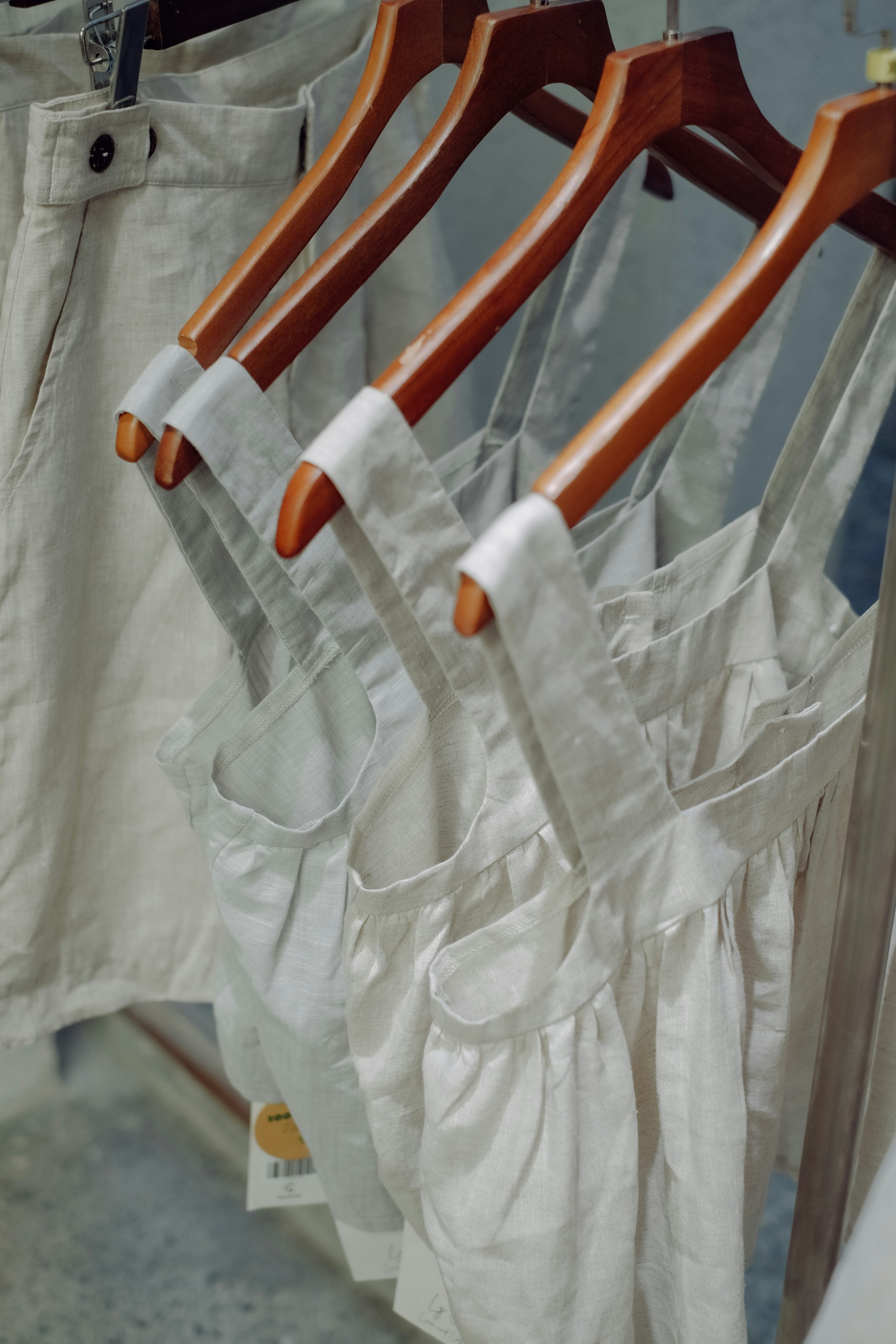
Moreover, classic neutral tones such as beige and charcoal continue to play a vital role this season. They serve as the foundation of many outfits, providing versatility and sophistication. Perfectly tailored trousers or simple blouses in these shades can easily be dressed up or down, fitting a variety of occasions.
In summary, the key colors of this season’s women’s clothing collection encompass a rich spectrum, from terracotta and sage green to lavender and neutral tones. Each color not only enhances personal style but also enriches the overall appeal of modern wardrobes.
How to Incorporate the Color Palette into Your Wardrobe
As the color palette for women’s clothing this season becomes more pronounced, it presents an excellent opportunity to update your wardrobe with these trendy shades. To successfully incorporate these colors, consider starting with versatile pieces that can be easily mixed and matched. Neutral tones, such as beige or gray, can serve as an excellent canvas for bolder colors, allowing for a harmonious blend of hues while maintaining a balanced appearance.
When choosing your outfits, try to include pieces in the seasonal color palette as base layers. For example, a pastel blouse can be paired with darker trousers or a skirt, creating a visually appealing contrast. Additionally, consider incorporating these shades through accessories, such as handbags, shoes, and jewelry. A statement necklace or a vibrant handbag can elevate a simple outfit while making a strong style statement.
Layering is another effective strategy for integrating seasonal colors into your attire. A tailored blazer in a trending hue over a classic white shirt can transform a basic look into a chic ensemble. For colder months, you can also add scarves or outerwear in these colors, which can create depth and interest to any outfit. Nevertheless, it is important to ensure that the colors you choose complement your skin tone and personal style, allowing you to feel confident and comfortable.
Finally, experimenting with prints that incorporate these colors can add excitement to your wardrobe. Floral patterns, geometric designs, or color-block styles can seamlessly integrate trending shades without overwhelming your look. By thoughtfully selecting your pieces and focusing on the right combinations, you can effectively incorporate the current color palette into your daily outfits, ensuring that you remain stylish and on-trend.
The Influence of Fashion Shows and Designers
The world of fashion is significantly shaped by the creativity and vision presented in high-profile fashion shows. Renowned designers, through their runway collections, serve as influential trendsetters, dictating color palettes that often trickle down to consumers. This season, various shows have showcased an array of dominant hues that reflect both current societal trends and timeless elegance. These shows function as a platform for designers to express their artistic interpretations of color, often making bold statements that resonate with the audience and the market.
Fashion weeks across global capitals, including Paris, Milan, and New York, have become pivotal in setting the tone for upcoming seasons. Designers meticulously choose colors that resonate with their collections’ themes, often influenced by cultural, social, and environmental factors. This year, many have embraced earthy tones, vibrant jewel colors, and pastels, showcasing how emotional and aesthetic factors underpin their design philosophy. Such selections not only enhance the visual appeal but also reflect a deeper narrative that connects with consumers.
The impact of these runway presentations is profound, as they often create a ripple effect throughout the retail industry. Retailers closely study color choices made by leading designers to align their inventory with emerging trends. This predictive relationship is vital; it helps brands remain competitive while tapping into the spirit of contemporary culture. As a result, many consumers are likely to adopt the shades highlighted in these collections, thus contributing to a unified color palette observed across various fashion segments.
In conclusion, the insights gained from fashion shows and the iconic designers behind them play a crucial role in shaping the color trends of the season. Understanding this influence allows consumers to remain informed about their style choices, aligning their wardrobes with the latest advancements in fashion innovation.