
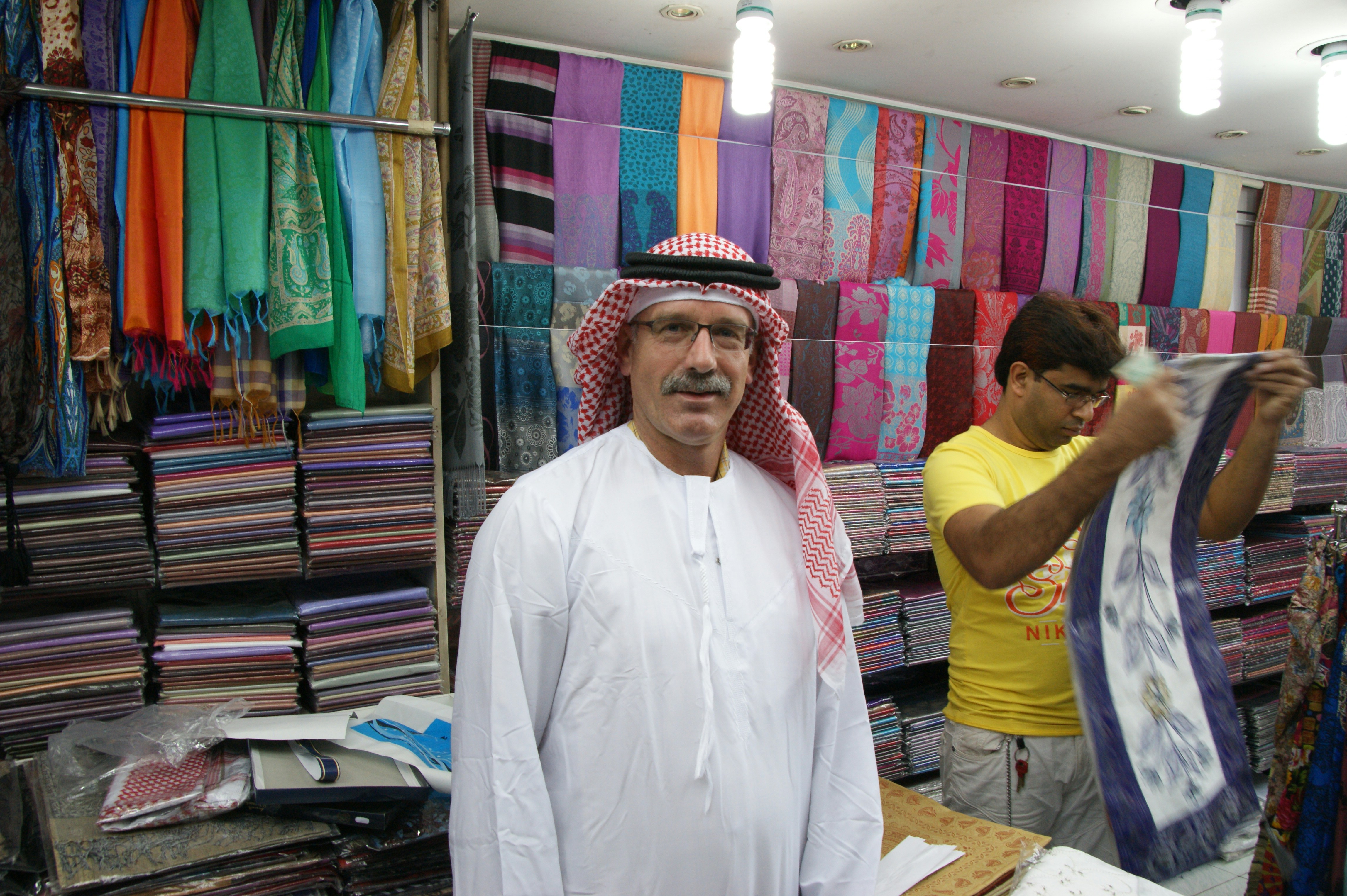
The Origins and Quality of Egyptian Cotton
Egyptian cotton has a rich history that dates back thousands of years, making it one of the oldest cultivated crops in the world. Its reputation for superior quality has endured throughout time, and it is often regarded as the finest cotton available on the market today. The unique growing conditions found in Egypt significantly contribute to the exceptional qualities of this cotton, which includes remarkable softness, durability, and a luxurious feel.
One of the primary factors influencing the quality of Egyptian cotton is the fertile soil provided by the Nile River. The annual flooding of the Nile enriches the soil with essential nutrients, creating a perfect environment for cotton cultivation. This natural irrigation system allows for consistent moisture levels, which are crucial for growing high-quality cotton plants. Additionally, the climate of Egypt plays a critical role; the long, sunny days along with warm temperatures create optimal conditions for cotton to thrive, promoting long fiber production.
The fibers of Egyptian cotton are notably longer than those of regular cotton varieties, which not only enhances the fabric’s strength but also leads to a finer, softer texture. As a result, Egyptian cotton is less prone to fraying and fading, making it an ideal choice for men’s eastern clothing, where durability and comfort are paramount. Fabrics made from Egyptian cotton exhibit a luxurious sheen that adds elegance to various garments, further cementing its status as a preferred material in high-quality men’s fashion.
In light of these favorable growing conditions, it becomes clear why Egyptian cotton continues to be celebrated and sought after in the textile industry. Its longstanding reputation and inherent qualities make it an exceptional choice for discerning individuals seeking superior men’s clothing.
Comfort and Breathability of Egyptian Cotton
Egyptian cotton is widely revered for its superior comfort and breathability, making it an ideal choice for men’s Eastern clothing, particularly in regions characterized by hot climates. One of the defining properties of Egyptian cotton is its long, silky fibers that contribute not only to its softness but also enhance its ability to allow air circulation. This feature is crucial for individuals wearing traditional attire, which can often involve multiple layers and intricate designs that may restrict airflow.
The lightweight nature of Egyptian cotton fabric is another significant factor that promotes thermal comfort. Unlike heavier textiles, it drapes elegantly against the body, preventing excessive heat buildup and providing a soothing experience throughout the day. This attribute is especially vital for those engaged in daily activities under the sun or attending social gatherings where long hours of wear are anticipated.
Moreover, the breathability of Egyptian cotton aids in moisture management. It efficiently wicks away sweat and facilitates evaporation, thereby keeping the wearer dry and comfortable. This moisture-wicking capability is particularly beneficial in traditional garments, allowing the fabric to adapt to sudden changes in temperature without compromising comfort. Consequently, men who opt for Egyptian cotton clothing find it significantly more accommodating, enabling them to focus on their activities without the distraction of discomfort caused by excessive sweating or irritation.
The synthesis of comfort and breathability offered by Egyptian cotton distinguishes it from other textile options and accentuates its appeal in Eastern clothing. In settings where traditional designs meet practicality, Egyptian cotton remains a preferred fabric, ensuring that wearers not only embrace cultural heritage but also enjoy modern-day comfort.
Durability and Long-Lasting Nature of Egyptian Cotton
Egyptian cotton is renowned for its exceptional durability, making it a preferred choice for men’s eastern clothing. The fibers of Egyptian cotton are longer than those of standard cotton varieties, contributing to a finer weave that is both strong and resilient. This inherent strength allows garments to resist fraying and tearing, ensuring that they maintain their shape and integrity over time. When compared to other cotton types, garments made from Egyptian cotton are less prone to wear and tear, demonstrating a remarkable capacity to withstand the rigors of daily use.
Moreover, the resistance of Egyptian cotton to fading is a significant advantage for male fashion enthusiasts. Dye adherence is notably better due to the fiber’s unique structure, which allows colors to penetrate deeply. As a result, clothing retains its vibrancy and aesthetic appeal much longer than pieces made from other cotton types. This characteristic is particularly important in eastern clothing, where intricate designs and bold colors are often focal points of the garment’s style.
To further enhance the longevity of Egyptian cotton garments, proper care and maintenance are essential. Washing in cold water, using mild detergents, and avoiding bleach can help preserve the fabric’s integrity. Additionally, line drying rather than using a tumble dryer can prevent shrinkage and maintain the bond of the fibers. By adhering to these care standards, men can ensure that their Egyptian cotton clothing remains in optimal condition for years to come.
Overall, the durability and long-lasting nature of Egyptian cotton not only provide immediate benefits in terms of wear but also characterize it as a wise investment for quality eastern clothing. Its resistance to damage, coupled with appropriate care practices, guarantees that these garments will be enduring staples in any wardrobe.
Cultural Significance and Fashion Trends
Egyptian cotton holds a special place in the realm of men’s eastern clothing, blending traditional craftsmanship with contemporary fashion sensibilities. Historically, the cultivation of Egyptian cotton dates back thousands of years, making it synonymous with luxury and quality. In various eastern cultures, this fabric is not merely a material but a symbol of cultural pride and heritage. Its soft texture and durability make it ideal for traditional garments such as the thobe and the kurta, which are integral to the identity of numerous communities.
In recent years, the appreciation for Egyptian cotton has expanded beyond regional borders, finding its way into modern fashion trends. Prominent designers and fashion houses have begun to embrace this material, integrating it into collections that appeal to a global audience. This shift showcases how traditional eastern clothing can be reinterpreted with a contemporary flair, promoting a blend of culture and innovation. As a result, we see Egyptian cotton not only preserved within the fabric of traditional garments but also celebrated as a key component of contemporary menswear.
The rise in global demand for sustainable fashion practices has further enhanced the significance of Egyptian cotton. Renowned for its eco-friendly production, the cotton is often cultivated without the use of harmful pesticides, making it a preferred choice among environmentally conscious consumers. By championing this sustainable fabric, designers are not only prioritizing quality and comfort but are also aligning with the increasing consumer demand for ethical sourcing. Collaborations between international designers and local artisans have amplified the visibility of Egyptian cotton in the global market, merging traditional manufacturing techniques with modern designs.