
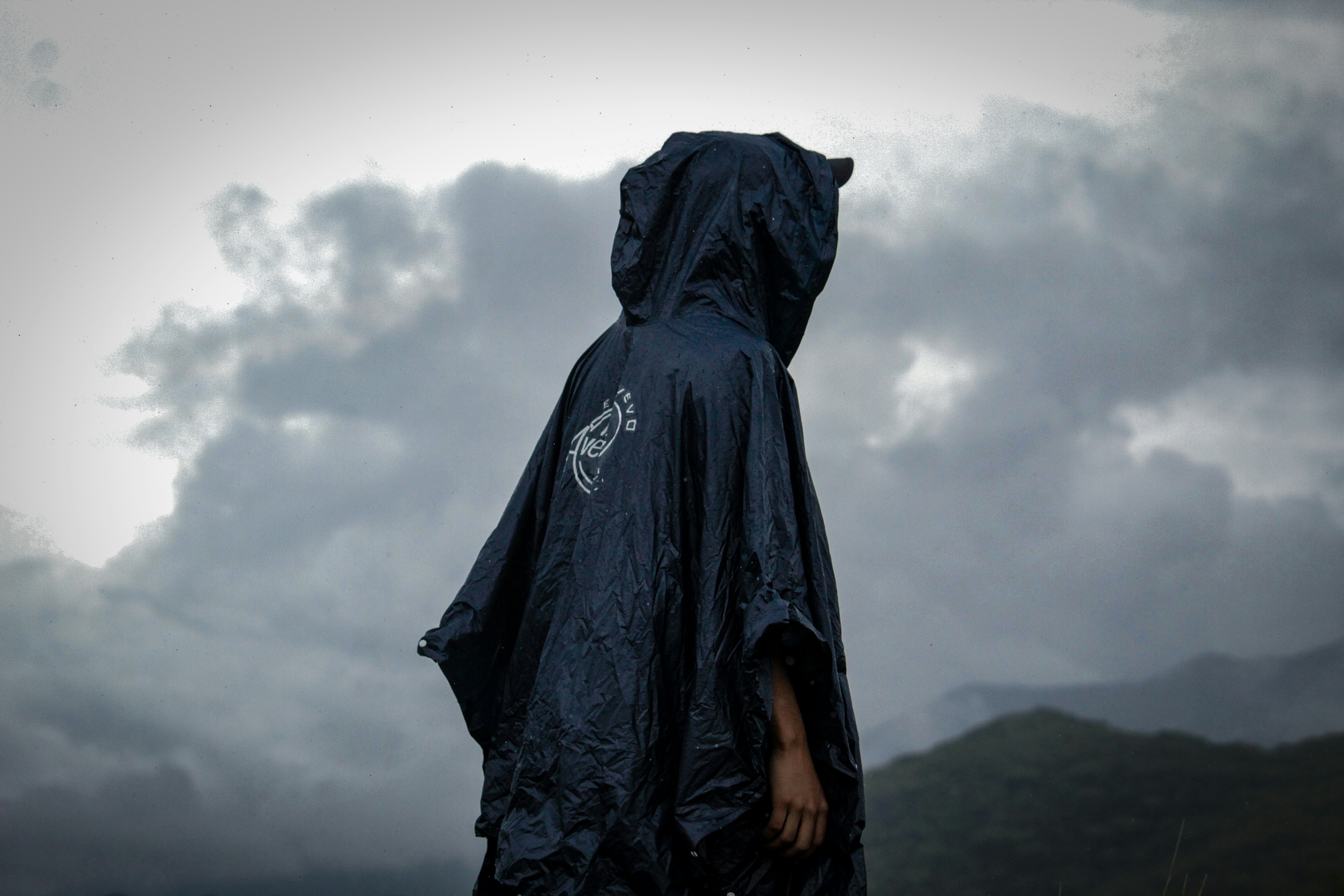
Understanding the Monsoon Climate
The monsoon season is characterized by significant changes in weather patterns, bringing with it high humidity levels, abundant rainfall, and notable temperature fluctuations. Typically occurring between June and September in many tropical regions, the monsoon is essential for replenishing groundwater and supporting agricultural activities. However, it also poses unique challenges, particularly concerning clothing choices for those affected by this climatic phenomenon.
During the monsoon season, humidity levels can reach as high as 80% or more, creating an environment that can make individuals feel uncomfortable if inappropriate clothing is worn. This high humidity, coupled with intermittent heavy downpours, necessitates breathable clothing materials that can wick moisture away from the skin. Fabrics such as cotton and linen are highly recommended due to their ability to absorb sweat and facilitate air circulation, keeping the wearer cool and dry.
Additionally, rainfall patterns during the monsoon can be unpredictable, often resulting in sudden downpours that require clothing capable of withstanding wet conditions. Synthetic materials like polyester or water-resistant treated fabrics are advantageous in these scenarios, offering protection against becoming soaked and consequently providing thermal insulation during cooler temperatures. The variance in temperature during this season can also be abrupt, requiring the versatility of clothing that can accommodate both warm and cooler spells.
Thus, understanding the monsoon climate is crucial for making informed decisions about clothing materials. Selecting appropriate fabrics not only ensures comfort but also offers protection against the elements and enhances overall adaptability during this season of change.
Key Features of Ideal Monsoon Fabrics
During the monsoon season, choosing the right clothing materials is essential for ensuring comfort and protection against the elements. Ideal monsoon fabrics possess several key features that cater to the unique challenges associated with excessive moisture and humidity. Among these vital attributes, water resistance stands out as a primary quality. Fabrics that repel water effectively prevent saturation, allowing the wearer to stay dry even during heavy rainfall. Options like synthetic fibers, such as polyester and nylon, are often treated with water-repellent coatings, enhancing their ability to resist moisture absorption.
Another crucial characteristic of suitable monsoon materials is breathability. In humid conditions, it is important for fabrics to allow air circulation, thereby preventing discomfort caused by trapped moisture. Natural fibers like cotton and linen are celebrated for their breathability, helping to wick away sweat and keeping the body cool. Many specialized monsoon fabrics also incorporate properties that promote airflow, which can significantly enhance the wearer’s comfort when navigating through damp environments.
Additionally, quick-drying capabilities are paramount in monsoon fabrics. Materials that dry swiftly after getting wet help maintain the body’s temperature and reduce the risk of catching colds or falling ill. Fabrics such as nylon not only dry quickly but also provide an added layer of protection against water accumulation. Furthermore, durability is a significant consideration; monsoon clothing should withstand the rigors of rain and moisture without sustaining damage. Fabrics should be able to endure repeated use and wash cycles while retaining their functionality. Therefore, the ideal monsoon material combines water resistance, breathability, quick-drying features, and durability to ensure optimal comfort during the rainy season.
Best Fabrics for Monsoon Wear
During the monsoon season, choosing the appropriate clothing material is essential to remain comfortable while navigating the wet conditions. Various fabrics serve varying needs, primarily focusing on moisture management, drying time, and comfort. This overview emphasizes both synthetic and natural fibers that are quintessential for monsoon wear.
Synthetic fibers, such as polyester and nylon, are popular choices during the rainy season. Polyester is well-regarded for its moisture-wicking properties, allowing sweat to evaporate quickly. Additionally, it dries faster than many natural fabrics, making it an excellent option for humid conditions. Nylon, on the other hand, provides considerable resistance against water and is highly durable. However, one downside is that these synthetic materials can sometimes feel less breathable and may lead to discomfort if worn for extended periods.
Natural fibers, like cotton and linen, also have distinct advantages. Cotton is soft and breathable, making it comfortable to wear even in the heat that often accompanies monsoon showers. Although cotton absorbs water, it tends to dry relatively fast; nonetheless, prolonged exposure to moisture may lead to discomfort. Linen, known for its superior breathability and lightweight nature, is another excellent choice. However, it tends to wrinkle easily and may require more care in maintenance.
Moreover, some fabrics come equipped with water-resistant treatments like DWR (Durable Water Repellent). This feature allows the fabric to repel water while maintaining breathability, making it ideal for unpredictable rain. The choice of fabric significantly influences comfort and functionality during the monsoon, and understanding the attributes of each material can help in making informed decisions.
Clothing Tips for Navigating the Monsoon Season
As the monsoon season approaches, it becomes crucial to choose clothing that not only complements our personal style but also provides comfort and practicality amid the heavy rain and humidity. Selecting the right fabrics is paramount; opt for materials that dry quickly, such as microfiber or synthetic blends, which resist absorbing excess moisture. These fabrics are not only functional but can also be stylish if chosen wisely.
Layering is an effective strategy during monsoon, as temperatures can vary significantly throughout the day. Start with a lightweight base layer, such as a moisture-wicking t-shirt or blouse, to keep sweat at bay. Follow with a breathable, waterproof jacket that serves to shield against rain without adding excessive bulk. This layering method ensures that you remain comfortable and ready for fluctuations in weather. When considering cuts, look for slightly loose-fitting garments; this permits better airflow and makes any dampness less noticeable.
Accessorizing appropriately can enhance both style and function. A chic umbrella is not just a necessity but can also act as an eye-catching accessory. Choose one that complements your outfit while being sturdy enough to withstand the wind. Additionally, waterproof footwear is essential—consider styles like ankle boots or stylish rain shoes that can easily transition from a rainy day at work to an evening out. Footwear with good grip is also vital to prevent slipping on wet surfaces.
Combining these elements can lead to fashionable monsoon outfits that do not compromise on practicality. Selecting clothing that embraces both style and functionality allows individuals to express their unique fashion sense while navigating challenging weather conditions effortlessly. By focusing on suitable fabrics, effective layering, and thoughtful accessories, individuals can remain both trendy and comfortable during the monsoon.