
Understanding Fabric Types
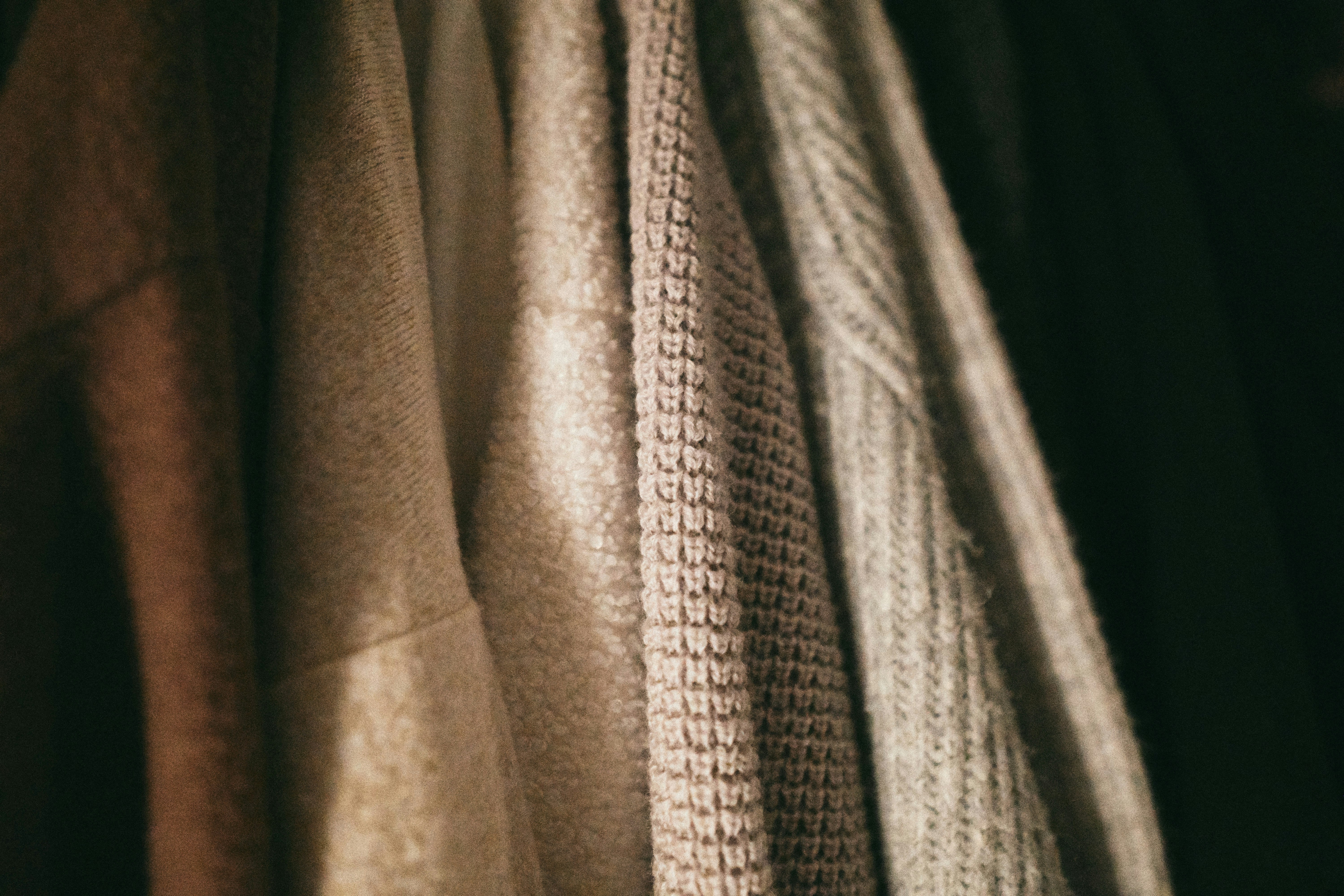
When exploring clothing materials that exhibit resistance to wrinkling and require minimal ironing, it is essential to first understand the various types of fabrics available. Fabrics can be broadly categorized into natural and synthetic types, each with distinct properties influencing their durability and care requirements.
Natural fabrics, such as cotton and linen, are derived from plant fibers and animal hair. Cotton is known for its softness and breathability, making it a popular choice for casual and formal wear alike. However, it can wrinkle easily and typically requires regular ironing. On the other hand, linen offers a similar appeal but provides greater durability and a unique texture. While linen tends to wrinkle more than cotton, its innate characteristics give it a charming look that many find appealing.
Synthetic fabrics, such as polyester and nylon, are manufactured through chemical processes. These materials are often blended with natural fibers to create a fabric that not only maintains a structured appearance but also resists creasing. Polyester, for example, is widely used in professional attire due to its wrinkle-resistant qualities and low maintenance. Additionally, fabrics like elastane add stretch to the garments, enhancing comfort and fit without compromising style.
Another notable synthetic fabric is rayon, known for its luxurious feel and visually appealing drape. While rayon might need a bit more care, newer blends have increased its durability and reduced the need for frequent ironing. Understanding these fabric types and their properties can assist consumers in choosing clothing materials that maintain a sharp look without the hassle of constant ironing, thereby enhancing their wardrobe functionality.
Wrinkle-Resistant Fabrics Explained
In the realm of clothing materials, wrinkle-resistant fabrics stand out for their ability to maintain a polished appearance with minimal effort. These textiles are particularly advantageous for individuals with busy lifestyles or for those who travel frequently. Understanding how these fabrics work can help consumers choose garments that blend comfort with convenience.
One of the primary categories of wrinkle-resistant fabrics includes synthetic materials. Polyester is a prominent example; it is well-known for its durability and resistance to creasing. The fiber’s inherent properties allow it to hold its shape effectively, minimizing the frequency of ironing. Additionally, polyester often dries quickly, making it an excellent choice for travel garments.
Blended fabrics also play a significant role in the wrinkle-resistant market. Commonly, cotton is mixed with synthetic fibers, resulting in a fabric that retains the comfort of natural fibers while benefitting from the durability of synthetics. This blend not only enhances resistance to wrinkles but also allows for breathability, making it suitable for various climates.
Another effective method manufacturers employ to create wrinkle-resistant clothing is through the application of special treatments. Fabrics like cotton can undergo chemical treatments that alter their structure at a molecular level, increasing their ability to resist creasing. Treatments such as durable press or easy-care finishes help garments keep their crisp look throughout the day, leading to less time spent on upkeep.
In addition to these techniques, woven structures and tighter fabric construction can contribute significantly to wrinkle resistance. Fabrics that feature a tight weave often have less surface area for wrinkles to form, allowing for a neater appearance after long wear. Therefore, when selecting wrinkle-resistant materials, it is crucial to consider not just the fiber content but also the fabric construction and finishing processes that contribute to a garment’s longevity and ease of maintenance.
Care Tips for Non-Ironing Fabrics
Maintaining the quality of wrinkle-resistant fabrics is essential for ensuring they look sharp and presentable without frequent ironing. Effective care and storage practices can greatly enhance the lifespan of these materials, keeping your wardrobe looking neat with minimal effort.
When it comes to washing non-ironing fabrics, always refer to the care label for specific instructions. Generally, machine washing on a gentle cycle with cold water is recommended to prevent unnecessary wear. Avoid using bleach, as it can damage the fibers and diminish their wrinkle-resistant properties. Adding a mild detergent will help preserve the quality of the fabric while effectively cleaning it.
Drying methods are equally important. For fabrics that resist wrinkling, air drying is a preferred option. Hanging garments on a padded hanger in a well-ventilated space can help maintain their shape and minimize creases. If you opt to use a dryer, select a low heat setting and remove the clothes while they are still slightly damp to prevent deep-set wrinkles.
Storing non-iron fabrics properly can further reduce the need for ironing. Use ample space in your closet, allowing garments to hang freely without bunching together. Fold heavier pieces with care, ensuring that the fabric does not crease. For travelers, packing these types of fabrics in a way that minimizes folding and using packing cubes can be advantageous.
Moreover, refreshing non-iron garments between wears can be beneficial. A quick steam or a gentle spray of water can help release any light creases. Following these care tips will not only maintain the sharp appearance of wrinkle-free fabrics but also contribute to their longevity, allowing you to enjoy a polished look effortlessly.
Choosing the Right Non-Iron Fabrics for Different Occasions
Selecting the appropriate non-iron fabrics can significantly enhance your wardrobe while providing convenience across various settings. For professional environments, fabrics such as wrinkle-resistant cotton blends and polyester are ideal. These materials maintain a crisp, polished appearance throughout long workdays. Opt for tailored pieces in these fabrics to ensure you present a sophisticated image, suitable for meetings and presentations.
For casual outings, consider fabrics like linen blends, which can provide a relaxed yet sharp look without the hassle of constant ironing. These fabrics often incorporate synthetic fibers that aid in wrinkle resistance while allowing for breathability, making them perfect for warm weather. Pairing loosely fitted tops with non-iron chinos or denim skirts can create a stylish ensemble that is both comfortable and on-trend.
When it comes to formal events, it is crucial to choose high-quality non-iron fabrics that promote elegance. Look for garments made from premium silk blends or treated cotton that resist creasing while exuding sophistication. A well-fitted non-iron dress shirt can be paired with tailored trousers or a structured dress, ensuring you look impeccably styled without the maintenance issues associated with traditional fabrics.
In all situations, accessorizing plays a vital role in achieving a polished look. Statement necklaces or ties can elevate even the simplest non-iron outfit, reinforcing your attention to detail. Ultimately, by selecting the right non-iron fabrics tailored to the occasion, you can maintain a sharp appearance effortlessly while enjoying the benefits of reduced ironing time.